Cision Launches AI Coverage Analysis in CisionOne to Help PR Teams Move from Coverage to Action
AI Coverage Analysis helps communicators understand the story behind their media coverage, surface key narratives, and identify what to do next
CHICAGO, June 18, 2026 /PRNewswire/ -- Cision, a global leader in consumer and media intelligence, today announced the launch of AI Coverage Analysis, a new feature in its award-winning CisionOne platform.
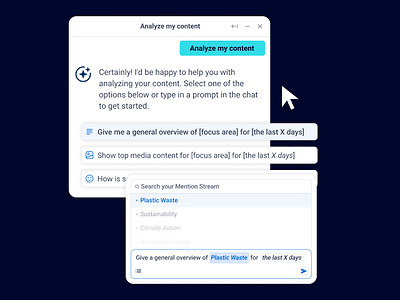
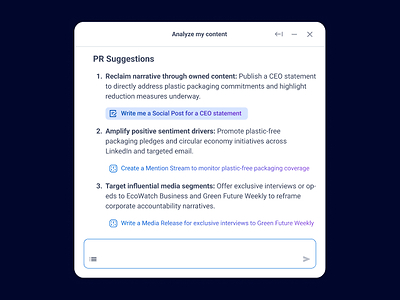
Built directly into the PR workflow, AI Coverage Analysis helps communications teams quickly understand what their media coverage means, which narratives are emerging, and what actions to take next. It surfaces key themes across coverage and provides tailored suggestions for next steps, contextualizing analysis against a team's specific goals, helping them move faster from reporting to recommendation.
The launch comes at a critical time for PR teams. Communicators are managing more signals than ever, from media mentions and sentiment reports to social conversations, breaking news, and competitor activity. But more data has not always created more clarity. Many teams still struggle with the same question: What does all this coverage actually mean, and what should we do next?
While AI-powered summarization makes it easier to process large volumes of information, many tools still deliver outputs that are too broad or generic to guide real decision-making. AI Coverage Analysis addresses this gap by surfacing insights that are not just comprehensive, but relevant to specific priorities.
At the same time, PR teams are feeling more pressure this year to deliver stronger outcomes despite tighter budgets and fewer resources, according to Cision's 2026 Inside PR Report. AI Coverage Analysis helps address this challenge, by reducing the time teams spend manually interpreting coverage and helping them move faster from reporting to recommendation.
"PR teams have more access to data than ever, but data without clarity only creates more noise," said Amy Jones, Chief Marketing Officer at Cision. "AI Coverage Analysis helps teams understand the story behind their coverage, identify the narratives that matter, and move with more confidence. It is about helping communicators spend less time decoding information and more time advising the business."
With AI Coverage Analysis, users can review coverage across a selected topic, brand, campaign, or competitor and quickly see the key narratives, themes, and factors shaping the conversation. The feature then provides recommendations – tailored to specific goals and priorities – to help teams decide where to respond, what to amplify, and where further action may be needed.
AI Coverage Analysis is designed to help modern PR teams:
- Understand the bigger story behind the media coverage
- Surface key narratives around brands, clients, and competitors - instantly
- Turn information overload into critical insights and confident action
- Move from reporting data to advising on what to do next
A Milestone in Cision's AI Evolution
The launch of AI Coverage Analysis is part of Cision's continued investment in AI-powered communications workflows. By bringing monitoring, analysis, reporting, and action together in one platform, CisionOne helps PR and communications teams make sense of the signals that matter and move with greater confidence.
Learn more about CisionOne's AI-powered capabilities
About Cision
Cision is the global leader in consumer and media intelligence, engagement, and communication solutions. We equip PR and corporate communications, marketing, and social media professionals with the tools they need to excel in today's data driven world. Our deep expertise, exclusive data partnerships, and award-winning products, including CisionOne, Brandwatch, Trajaan, and PR Newswire, enable over 75,000 companies and organizations, including 84% of the Fortune 500, to see and be seen, understand and be understood by the audiences that matter most to them.
Media Contact:
Cision Public Relations
CisionPR@cision.com

 View original content to download multimedia:https://www.prnewswire.co.uk/news-releases/cision-launches-ai-coverage-analysis-in-cisionone-to-help-pr-teams-move-from-coverage-to-action-302803361.html