Mamula Island by Banyan Tree Celebrates its Official Debut Season as Banyan Tree's First Resort in Europe
Nestled at the entrance of Montenegro's UNESCO-listed Bay of Kotor the intimate island sanctuary is housed in a restored 19th-century fortress encircled by sea and sky
HERCEG NOVI, Montenegro, June 29, 2026 /PRNewswire/ -- Banyan Group ("Banyan Tree Holdings Limited" or the "Group" – SGX: B58), an independent global hospitality company, officially unveils Mamula Island by Banyan Tree in its first full season under its flagship Banyan Tree brand, marking Banyan Tree's first resort in Europe.
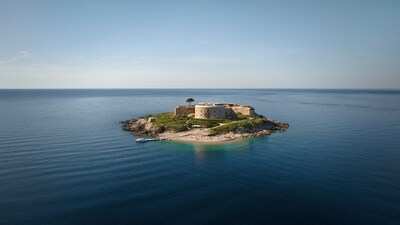
Set on a secluded islet at the entrance of the UNESCO-listed Bay of Kotor (known locally as Boka Bay), Mamula Island by Banyan Tree is housed in a restored 19th-century fortress encircled by sea and sky, with far-reaching views across the Adriatic. Following its addition to the Banyan Tree portfolio, the 32-room island sanctuary now features the brand's award-winning Banyan Tree Spa, alongside refreshed brand experiences spanning destination-led dining, cultural programming, wellbeing and nature-based discovery.
A Guardian of the Bay of Kotor
Originally built in the 1850s, Fort Mamula once served as a coastal defence fortification at the entrance of the Bay of Kotor. Its seven-year restoration was led by developer Samih Sawiris, in partnership with Lisbon-based MCM Architecture & Design, Montenegrin conservation and architecture studio Projektor, and local heritage authorities.
Interior design was overseen by Piotr Wisniewski and weStudio Berlin, combining mid-century influences, local craftsmanship and bespoke furniture. Across the resort, natural stone, aged brass, solid oak and organic textiles create interiors that are warm, understated and enduring.
The arch, a defining feature of the original fortress, is reinterpreted throughout the resort, including in a custom-made furniture line developed for the hotel. The design also draws on local artisanal traditions, from pottery and joinery to abstract fine art, creating a contemporary retreat grounded in the island and the wider region.
Rooms and Suites Overlooking the Adriatic
The journey to the island begins with a private boat transfer across Boka Bay or a helicopter flight from Dubrovnik or Tivat, with views over Montenegro's coastline and the Adriatic Sea.
The Adriatic is a constant presence throughout the resort, with all rooms and suites offering sea views. Heritage Suites are set within the original fortress structure, preserving stonework and heritage features, while newly built rooms and suites feature contemporary interiors, floor-to-ceiling windows and private terraces. The Heritage Sky Suites have been recognised as "Best Hotel Suite" at AHEAD Awards Europe and ranked among the world's top ten suites.
Dining Across Land and Sea
Dining at Mamula Island by Banyan Tree is shaped by local produce, fresh seafood and the micro-seasonality of the Montenegrin coast. Parasol, set at the heart of the fortress beside three outdoor pools, offers a crudo concept centred on just-caught seafood, while Kamena Restaurant overlooks the Adriatic and highlights land-led flavours and locally harvested ingredients.
Perched on the edge of the island, Celeste offers a relaxed outdoor terrace experience inspired by coastal cooking traditions from Italy, the Caribbean and the Levant. As evening falls, guests can gather at Pinea Bar, an intimate speakeasy-style bar offering handcrafted cocktails and vinyl nights under the stars.
A Restorative Island Journey
Located within the historic fortress tower, Banyan Tree Spa offers a wellbeing experience guided by the brand's 8 Pillars of Wellbeing. Treatments draw on local plants, oils and natural elements, with rituals designed to reflect the island's setting and the restorative qualities of the surrounding landscape.
The spa features an indoor gym, ritual rooms, Finnish and herbal saunas, steam room, halotherapy room, flotation chamber and experience shower. Guests can also experience hydro and weightless therapies, including a meditative float experience, as well as traditional Thai, Javanese Indonesian and Chinese healing therapies, therapeutic bodywork and the brand's signature Royal Banyan treatment.
Beyond the spa, the island offers space for quiet restoration and outdoor discovery. At the northern tip of the island, a serviced beach features sunbeds, individual coves and views towards Herceg Novi, with direct access to the island's natural coastline.
Guests can explore the island, coastline and Luštica Peninsula by kayak, paddleboard, water bike or e-bike. Further afield, curated experiences include Boka Bay, sunrise swims in the Blue Cave, Kotor Old Town, Royal Lovćen and Cetinje, Skadar Lake and the Tara River. Luštica food tours and local discovery experiences connect guests with Montenegro's history, landscapes and coastal life.
Creative and Cultural Programming
Cultural programming is central to the Mamula Island experience. A new Artists-in-Residence programme brings local and regional creatives to the island, with workshops, exhibitions, maker sessions, opera evenings, live music and the Operosa Music Festival offering guests a closer connection to the region's creative community.
Mamula Island by Banyan Tree is also available for full island buyout for weddings, private events and retreats, with a collection of distinctive venues spanning the restored fortress, open-air terraces, gardens, spa facilities and beach.
For more information and reservations, please visit banyantree.com.
For high-resolution images, please download here.
ABOUT BANYAN GROUP
Banyan Group ("Banyan Tree Holdings Limited" or the "Group" - SGX: B58) is an independent, global hospitality company with purpose. The Group prides itself on its pioneering spirit, design-led experiences and commitment to responsible stewardship. Its extensive portfolio spans 100 hotels and resorts, over 140 spas and galleries, and 20 plus branded residences in over 20 countries. Comprising 13 global brands, including the flagship brand Banyan Tree, each distinct yet united under the experiential membership programme with Banyan. The founding ethos of "Embracing the Environment, Empowering People" is embodied through the Banyan Global Foundation and Banyan Academy. Banyan Group is committed to remaining the leading advocate of sustainable travel, with a focus on regenerative tourism and innovative programmes that elevate the guest experience.

 View original content to download multimedia:https://www.prnewswire.co.uk/news-releases/mamula-island-by-banyan-tree-celebrates-its-official-debut-season-as-banyan-trees-first-resort-in-europe-302813454.html