Markel appoints Danny O'Donoghue to Head of Fine Art & Specie for its London operations
LONDON, May 21, 2026 /PRNewswire/ -- Markel Insurance, the insurance operation within Markel Group Inc. (NYSE:MKL), today announced the appointment of Danny O'Donoghue to Head of Fine Art & Specie, effective immediately.
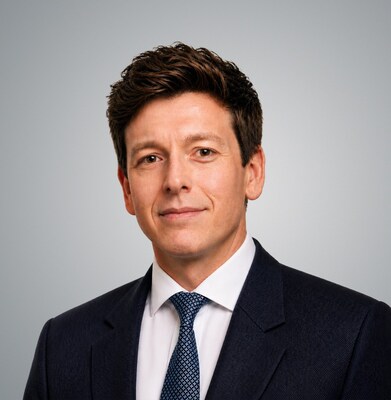
In his new role, O'Donoghue will be responsible for leading the strategic and sustainable expansion of Markel's Fine Art & Specie portfolio to further enhance the organisation's position in London as a leading Fine Art & Specie insurer. His principal duties will include identifying, assessing and underwriting complex risks across four key areas – Fine Art, Specie, Jewellers Block and Cash in Transit – while supporting underwriters in his team with their professional development.
Alongside these duties, O'Donoghue will foster broker relationships and work closely with Markel's Claims and Actuarial functions, where he'll keep abreast of industry developments, ensuring coverage remains tailored for broker partners and insureds. Furthermore, he'll identify collaborative opportunities across the business' international Fine Art & Specie teams to enhance broker service levels and drive further profitable growth.
O'Donoghue will be based in London, reporting to Dan McCarthy, Director of Marine at Markel International.
McCarthy commented: "Rising asset values, a surge in high-profile thefts and more frequent natural catastrophes are creating new risks while intensifying existing exposures for galleries, jewellers and private collectors. Danny's achievements are underpinned by an entrepreneurial mindset, which will be critical as we continue to deliver best-in-class underwriting services, support and standards to our brokers and clients.
"We're delighted to have someone of Danny's caliber join Markel's Fine Art & Specie team here in London. With his significant expertise in managing and scaling large Fine Art Specie portfolios, we're confident he'll be able to take ours to new heights, elevating our leadership position in the London Market."
O'Donoghue said: "I'm delighted to be joining Markel in my new role as Head of Fine Art & Specie. Opportunities like this don't come around often, but Markel really stood out to me. I saw strong cultural alignment, a clear and unified proposition and a well-defined strategic direction – all of which I believe are essential building blocks to continue growing the team and portfolio for years to come.
"I'm excited to drive the continued expansion of Markel's lead specialist capabilities across the Fine Art & Specie market and support our brokers and clients across an evolving and complex risk landscape."
O'Donoghue possesses more than 15 years' underwriting experience, spending 13 of them specialising in Fine Art & Specie insurance. Previously, he was employed at Talbot as Head of Fine Art & Specie, where he led global strategy and execution for Fine Art & Specie across Lloyd's Syndicate 1183 and AIG company platforms. Prior to this position, he worked at Aspen for more than 10 years as a Senior Fine Art & Specie Underwriter.
About Markel Insurance
We are Markel Insurance, a leading global specialty insurer with a truly people-first approach. As the insurance operations within the Markel Group Inc. (NYSE: MKL), we leverage a broad array of capabilities and expertise to create intelligent solutions for the most complex specialty insurance needs. However, it is our people – and the deep, valued relationships they develop with colleagues, brokers and clients – that differentiates us worldwide.

Photo - https://mma.prnewswire.com/media/2984338/Markel_Danny_ODonoghue.jpg
Logo - https://mma.prnewswire.com/media/2090808/Markel_primary_Logo.jpg
 View original content:https://www.prnewswire.co.uk/news-releases/markel-appoints-danny-odonoghue-to-head-of-fine-art--specie-for-its-london-operations-302777951.html